Engineered Mineral Performance. Delivered with Precision.
Premium Rotary Kiln Calcined Kaolin Clay engineered for thermal stability, structural strength, and long-term industrial reliability.
Manufactured through controlled high-temperature rotary kiln processing, our material is purpose-built for superior performance in refractory bricks and refractory grade cement applications — where failure is not an option.
Empowering Multiple Sectors
Every industry needs stronger foundations. At PRPL, our engineered calcined kaolin clay transforms raw mineral into high-performance solutions that fuel growth in manufacturing and infrastructure. We deliver the reliability industries need today while supporting sustainable material development for tomorrow.
Refractory Cement
Read More...
Engineered input material for high-alumina refractory bricks, delivering superior thermal resistance, chemical stability, and structural integrity in high-temperature applications
Refractory bricks
Read More...
An essential base material for high-alumina refractory bricks, offering high refractoriness, low impurity levels, and enhanced resistance to thermal shock and chemical degradation
Performance Advantages
Low Apparent Porosity
Low Alkali Content
High Bulk Density
High Refractoriness
Low Apparent Porosity – Enhances chemical resistance and reduces slag penetration.
Rotary Kiln Calcined Kaolin Clay is engineered with optimized apparent porosity to balance strength and insulation performance.
Lower open pore volume:
- Reduces slag penetration
- Limits acid and ion ingress
- Enhances chemical resistance
- Improves compressive strength in cement systems
Low Alkali Content – Prevents harmful reactions in cement systems.
The naturally low calcium oxide and alkali oxide content of Rotary Kiln Calcined Kaolin Clay minimizes harmful internal reactions.
This directly:
- Reduces the risk of Alkali–Silica Reaction (ASR) in concrete
- Prevents chemical corrosion in refractory linings
- Improves long-term structural integrity
- Supports sustainable clinker replacement in cement
High Bulk Density – Improves mechanical strength and structural reliability.
With a bulk density of ≥2.42 g/cm³, our material enables:
- Superior particle packing
- Higher load-bearing capacity
- Reduced shrinkage and permeability
Improved dimensional stability
High Refractoriness (PCE 32–34) – Ensures superior thermal stability.
The consistent PCE rating reflects:
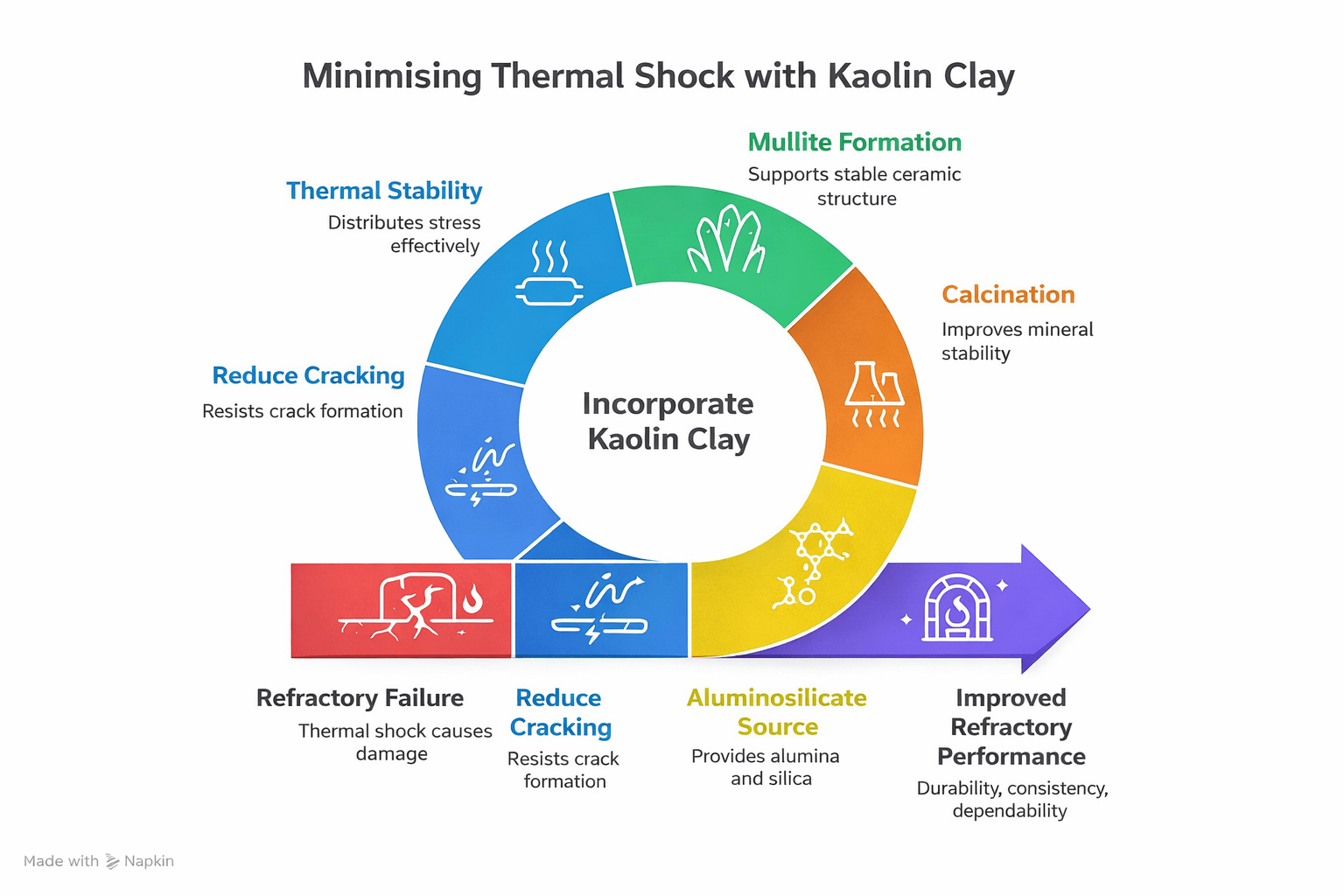
- Stable mullite formation during calcination
- High alumina–silica balance
- Resistance to thermal deformation
- Predictable high-temperature behavior
Our Products
At PRPL, we specialize in rotary kiln–calcined kaolin clay engineered for strength, durability, and long-term reliability in demanding industrial environments.
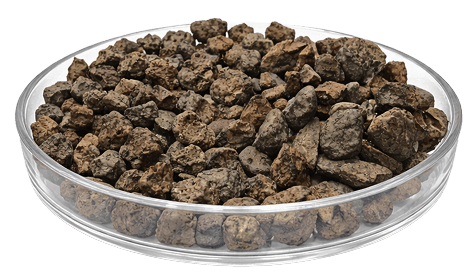
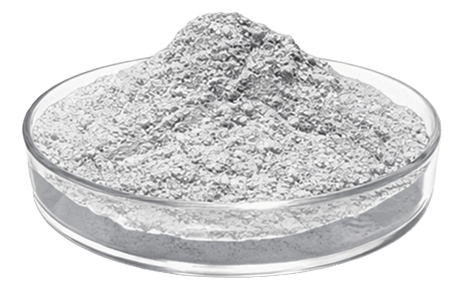
Calcined Clay
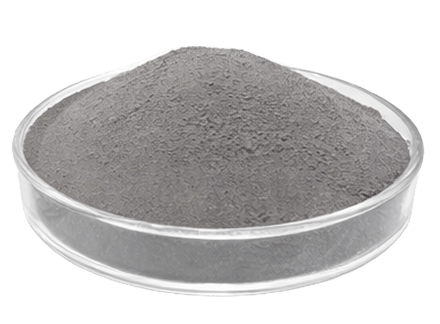
Calcined Clay
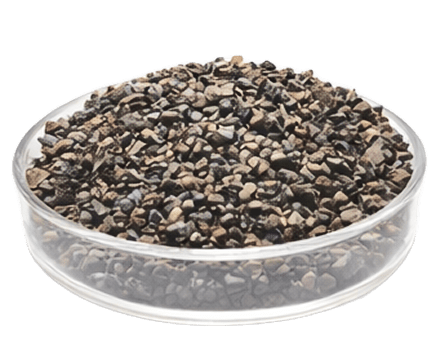
Calcined Clay
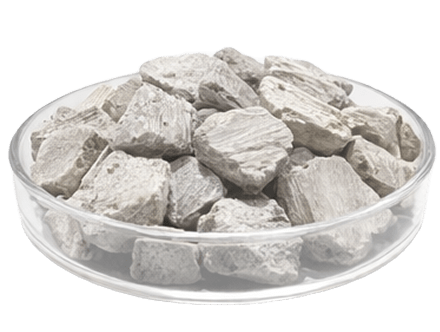
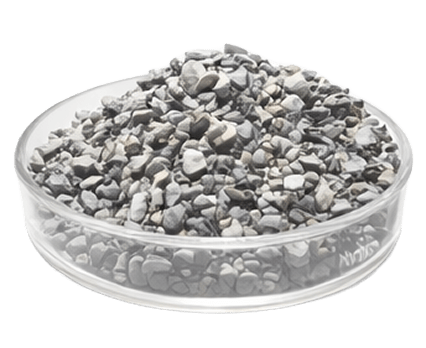
Calcined Pyrophyllite
FREQUENTLY ASKED QUESTIONS
What type of kiln do you use?
We use an advanced rotary kiln for the production of our calcined kaolin clay. Our manufacturing follows a continuous production process, which ensures consistent thermal treatment throughout. This technology is central to achieving the optimal purity, controlled mineralogy, and exceptional pozzolanic reactivity that our products are known for — consistently meeting the demanding standards of the refractory and cement industries.
At what temperature do you calcine the product?
Our continuous production process operates at high temperatures across different stages, depending on the target product specification:
For bulk density and structural transformation: Raw kaolin is subjected to controlled thermal treatment at 1450°C to 1500°C, inducing complete dehydroxylation and the formation of mullite and other high-temperature phases, resulting in a dense, thermally stable material with a bulk density of 2.42 g/cm³.
For apparent porosity control and PCE performance: The process runs at 1550°C to 1600°C, promoting complete mineralogical transformation and achieving an optimal apparent porosity of 6–7%.
This precise temperature management throughout our continuous process is what gives our calcined kaolin clay its superior mechanical strength, thermal resilience, and chemical stability.
What fuel is used?
Our rotary kiln is fired using petroleum coke (pet coke) — a high-carbon, high-calorific fuel that delivers the intense and sustained heat required for our high-temperature calcination process. Pet coke enables us to consistently achieve and maintain the precise temperatures needed across our continuous production process, ensuring uniform mineralogical transformation and reliable product quality at every stage.
What is the process to form mullite?
Mullite formation is a defining feature of our high-temperature calcination process, and it is what gives our calcined kaolin clay its outstanding refractory performance. The process unfolds in the following stages:
Stage 1 - Calcination and dehydroxylation
Raw kaolin clay, rich in kaolinite, is fed into the rotary kiln and subjected to high temperatures of 1550°C–1600°C. During this stage, kaolinite undergoes dehydroxylation — the removal of hydroxyl groups from its molecular structure — converting it into metakaolin, a highly amorphous and reactive intermediate phase.
Stage 2 - Structural reorganization
As temperatures rise further, the metakaolin phase becomes unstable. The alumina (Al₂O₃) and silica (SiO₂) components within it begin to reorganize at a molecular level, driven by the sustained thermal energy of the continuous process.
Stage 3 - Nucleation and growth of mullite
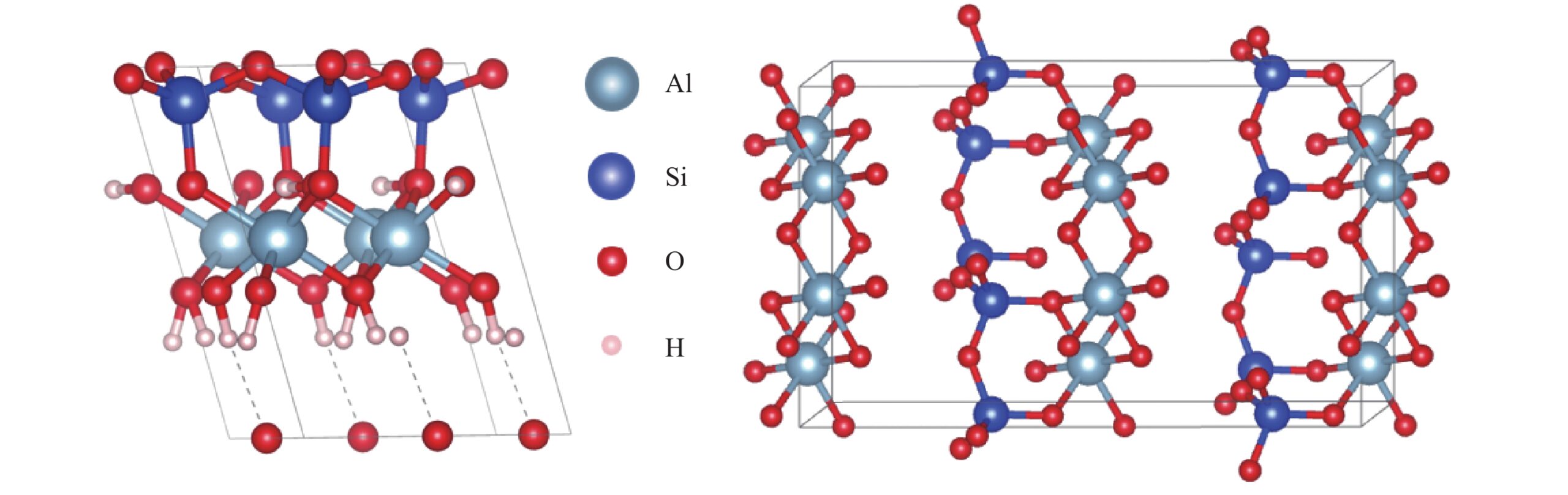
Through this structural rearrangement, mullite (3Al₂O₃·2SiO₂) nucleates and grows as a stable crystalline phase. The proportion and morphology of the mullite crystals formed depend on the calcination temperature and duration — both of which are precisely controlled throughout our continuous production process.
Stage 4 - Formation of the final microstructure
The resulting material contains mullite crystals embedded within a glassy matrix. This microstructure delivers the hallmark properties of high-performance calcined kaolin clay — a high melting point, low thermal expansion, and outstanding resistance to thermal shock and chemical corrosion — ensuring refractory linings maintain their structural integrity even in the most extreme industrial environments.

Group Of Company
CALDERYS INDIA REFRACTORIES LIMITED
IFGL REFRACTORIES LIMITED
CALDERYS INDIA REFRACTORIES LTD (ODISHA)
MAHAKOSHAL REFRACTORIES PRIVATE LIMITED
CALDERYS STEELCASTING INDIA PVT. LTD.
RHI MAGNESITA INDIA LIMITED
SAIL REFRACTORY COMPANY LIMITED
CALDERYS INDIA REFRACTORIES LIMITED
IFGL REFRACTORIES LIMITED
CALDERYS INDIA REFRACTORIES LTD (ODISHA)
MAHAKOSHAL REFRACTORIES PRIVATE LIMITED
CALDERYS STEELCASTING INDIA PVT. LTD.
RHI MAGNESITA INDIA LIMITED
SAIL REFRACTORY COMPANY LIMITED
What’s New At prpl
The latest products, services, news, and announcements from West Bengal premier provider of railcar products and services.