
Our Products
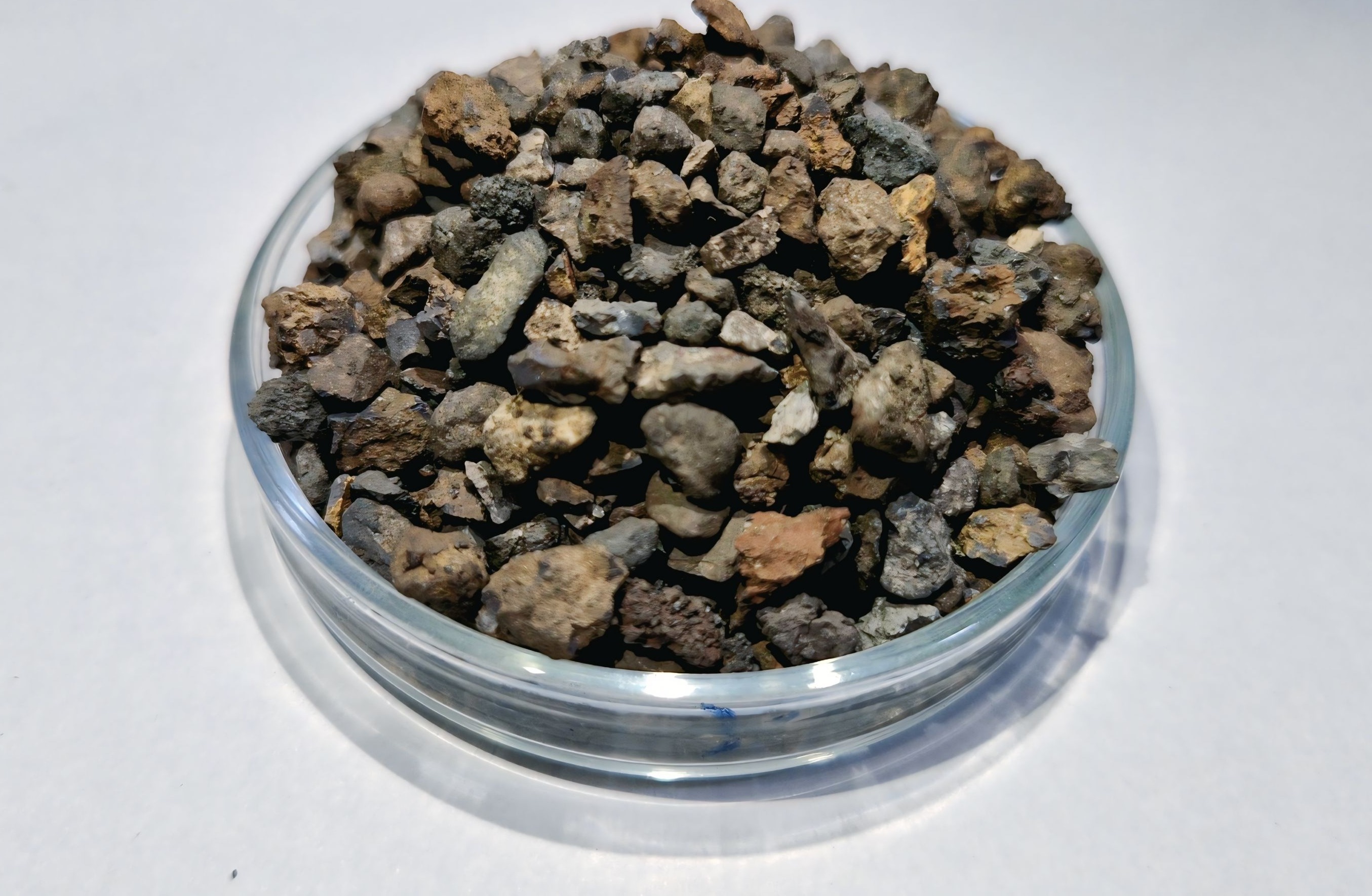
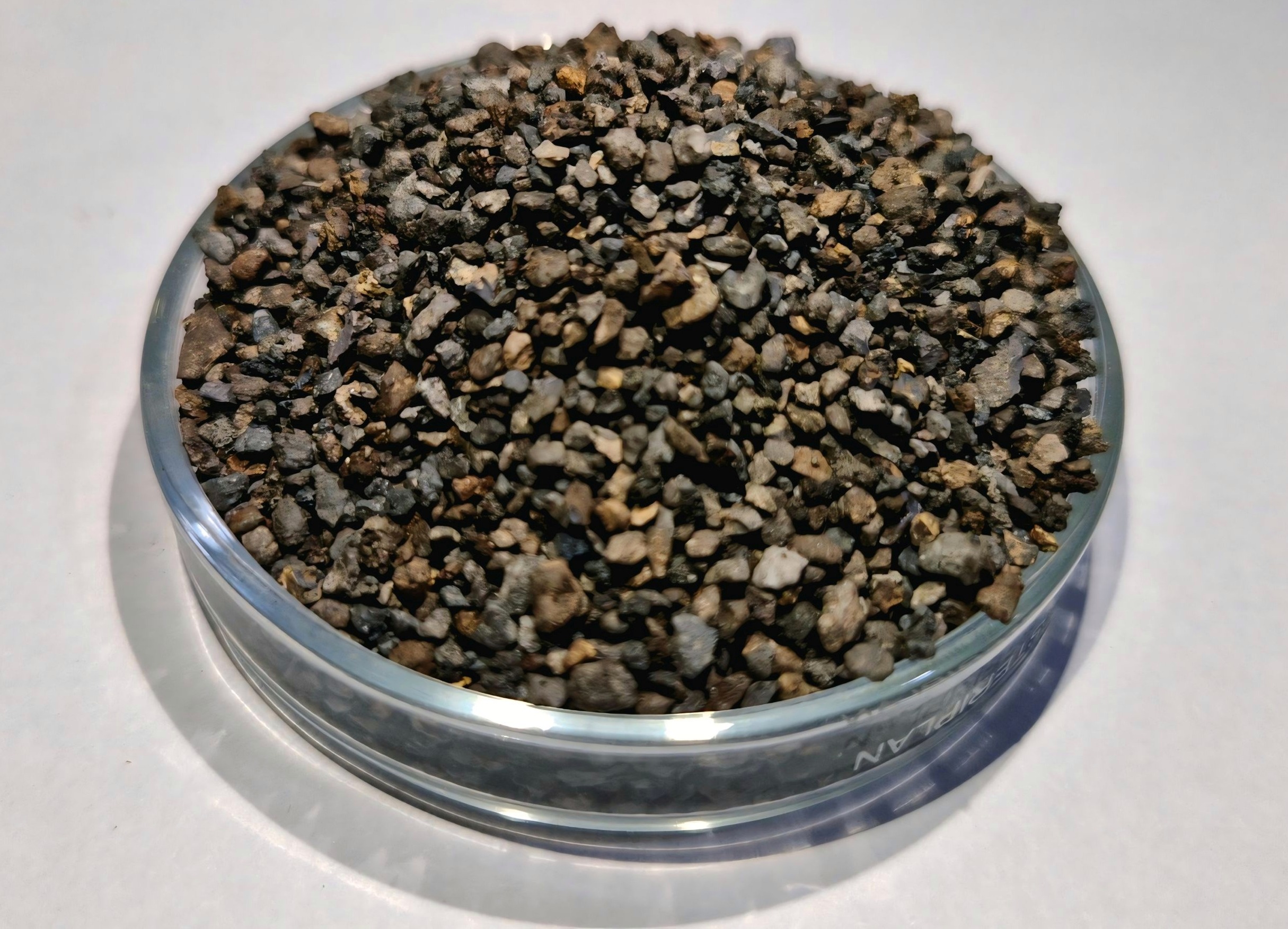
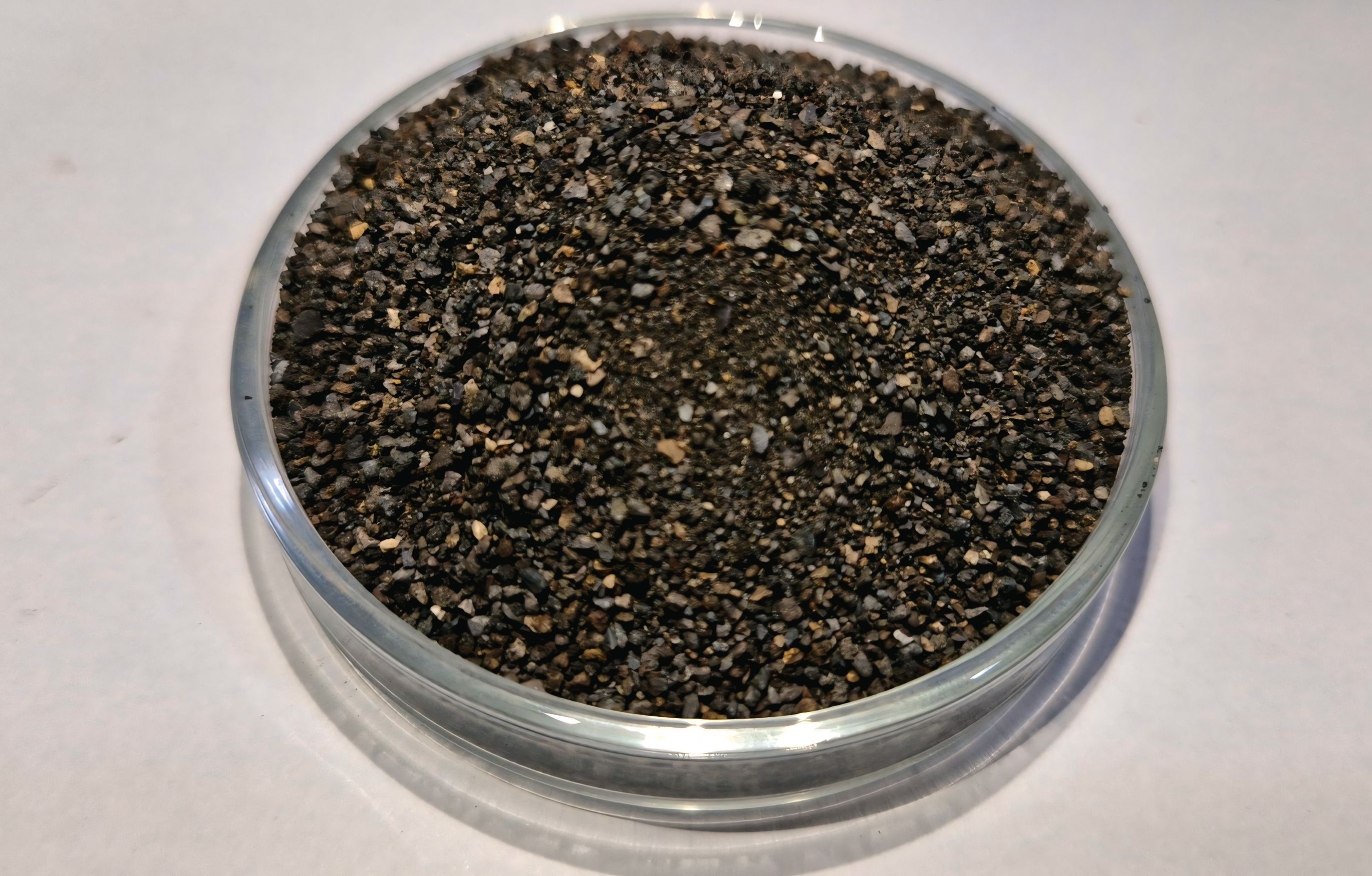
Calcined Kaolin Clay
(Refractory Grade)
Available Grades & Sizes:
- 0–1 mm (Graded)
- 1–3 mm (Graded)
- 3–5 mm (Graded)
- 0–50 mm (Lumps)
Packing Options :
- Jumbo Bags (800kg)
- Technically skilled, experienced, certified workforce
- Responsive communication and customized solutions for each client
Crafting the Core of Performance :
Premium Rotary Kiln Calcined Kaolin Clay
Patel Nagar Refractories Private Limited, established in 2012, has built its reputation on delivering premium calcined kaolin clay, manufactured using advanced rotary kiln technology through a continuous production process. Our rigorous quality control systems ensure optimal purity and exceptional pozzolanic reactivity throughout the manufacturing cycle. This meticulous approach results in a calcined kaolin product that consistently meets the demanding standards of modern refractory and cement industries. The material’s high chemical purity and controlled mineralogy translate to superior performance in end-use applications, supporting the manufacture of refractory bricks and cement with enhanced mechanical strength, chemical stability, and long-term durability.
Services
Technical Consultation :
Expert guidance on product selection and application optimization based on customer process needs.
Nationwide Delivery :
Streamlined supply chain and logistics for reliable and timely deliveries across India.
Key Technical Specifications:
Al₂O₃ Content : 40.0–42.0%
Fe₂O₃ Content : 2.0% (±0.2)
TiO₂ Content : ≤ 2.75%
Bulk Density : ≥ 2.42 gm/cc
Apparent Porosity : ≤ 6.5%
Magnetic Iron : ≤ 1.0%
Info : These properties ensure tremendous heat resistance, chemical durability, and process reliability in industrial operations.
Calcined Kaolin Clay :
The Gold Standard in Calcined Mineral Performance
Calcined kaolin clay is uniquely positioned as the preferred choice among calcined products for a wide range of industrial and construction applications, thanks to its distinctive mineralogy, high chemical purity, and consistent performance. When kaolin clay, particularly those rich in kaolinite, is subjected to high-temperature calcination, it undergoes a transformation that leads to the formation of mullite—a stable crystalline phase renowned for its high melting point, low thermal expansion, and outstanding resistance to thermal shock and chemical corrosion. The presence of mullite imparts superior mechanical strength, thermal stability, and durability, making calcined kaolin clay especially valuable in refractory applications and advanced ceramics.
Unlike other calcined minerals, which may introduce impurities or lack the same level of structural integrity, calcined kaolin clay produced with optimal levels of silicon dioxide and aluminium oxide maintains minimal concentrations of undesirable elements such as iron and alkali oxides. This exceptional purity is crucial for ensuring chemical stability and minimizing the risk of problematic reactions, such as alkali–silica reaction (ASR) in concrete. As a result, calcined kaolin clay supports the manufacture of high-performance refractory linings and cementitious systems with enhanced strength, density, and long-term reliability, making it a trusted material for engineers and manufacturers seeking superior results in demanding environments.
The microstructural benefits of calcined kaolin clay are equally compelling. With a particle size range varying from 0 to 50 mm, our product offers versatility for a wide variety of industrial applications. The optimized mineral structure achieved through high-temperature calcination leads to improved packing density, reduced water absorption, and enhanced mechanical strength in finished products, even without fine or uniform particle size.
Apparent Porosity:
Built for Durability
The apparent porosity (AP) advantage of calcined kaolin clay marks a significant advancement in material science, elevating the performance of both refractory and cementitious systems through precise microstructural engineering. Apparent porosity, defined as the ratio of open pore volume to total material volume, is a critical parameter that directly influences mechanical strength, thermal shock resistance, and chemical durability. At Patel Nagar Refractories Private Limited, our calcined kaolin clay is produced by subjecting raw kaolin to high-temperature calcination at 1550–1600°C, resulting in a robust mineral transformation and a highly controlled pore structure. This process achieves an optimal apparent porosity range of 6–7%, which is ideal for refractory applications where a balance between strength and insulation is essential. The carefully engineered porosity limits pathways for slag penetration, acid attack, and aggressive ion ingress, thereby enhancing chemical resistance and extending the service life of refractory linings. In cementitious systems, the dense microstructure resulting from low apparent porosity contributes to reduced permeability, improved compressive strength, and superior durability. The combination of high chemical purity, controlled mineralogy, and optimized porosity makes our calcined kaolin clay an indispensable material for demanding industrial environments, where the synergy between mechanical performance, thermal properties, and chemical resistance is vital for long-term operational success.
Bulk Density :
Strength You Can Rely On
The bulk density of calcined kaolin clay is a critical property that enhances performance, efficiency, and economic value in refractory and cementitious applications by enabling optimized particle packing and superior structural integrity. Defined as the mass per unit volume including pores, bulk density directly influences packing efficiency and mechanical strength. Our calcination process subjects raw kaolin to controlled thermal treatment at 1450°C to 1500°C, inducing complete dehydroxylation and structural transformation into mullite and other high-temperature phases. This results in a dense, thermally stable material with a bulk density of 2.42 g/cm³, engineered for demanding industrial uses requiring high density and thermal resilience, such as refractory products, advanced ceramics, and specialized industrial applications.
This optimized bulk density improves material efficiency by increasing active material per unit volume, enhancing strength-to-weight ratios, load-bearing capacity, and reducing material consumption. In refractory brick manufacturing, it ensures optimal packing during pressing and molding, yielding bricks with superior mechanical strength, lower thermal conductivity, and enhanced resistance to thermal shock and chemical attack. For cementitious systems, the ideal bulk density promotes efficient space-filling, better particle packing, reduced bleeding, improved workability, and greater long-term durability due to a denser microstructure. Economically, higher bulk density reduces storage space, transportation, and handling costs while enabling more efficient production. Technically, it delivers improved dimensional stability, reduced shrinkage, enhanced surface finish, and consistent performance, establishing calcined kaolin clay as a preferred material for industries demanding reliability, efficiency, and cost-effectiveness in high-performance applications.
The Alkaline Factor of Calcined Kaolin Clay:
A Key to Durable, High-Performance Cement and Refractory Solutions
Calcined kaolin clay’s alkaline factor is a defining advantage for both cement and refractory applications, stemming from its naturally low calcium oxide content. This low-alkali profile prevents the excessive alkalinity that often triggers destructive reactions like alkali–silica reaction (ASR) in concrete and chemical corrosion in refractory linings. When kaolin undergoes high-temperature calcination at 1550–1600°C, it transforms through a series of mineralogical changes that begin with the dehydroxylation of kaolinite to form metakaolin, an amorphous intermediate phase. As temperatures increase further, this metakaolin undergoes structural reorganization, leading to the nucleation and growth of mullite (3Al₂O₃·2SiO₂), a stable crystalline phase formed through the rearrangement of alumina and silica components. This controlled mullite formation process results in concrete and refractory products that are more chemically stable, less prone to cracking or degradation, and significantly more durable in aggressive environments. The transformation also leads to a denser microstructure, which improves compressive strength, reduces permeability, and enhances resistance to sulphates, chlorides, and acids.
In refractory bricks, the alkaline factor of calcined kaolin clay facilitates the formation of mullite crystals embedded within a glassy matrix, with the proportion and morphology of mullite depending on calcination temperature and duration. This ensures that refractory linings maintain structural integrity even at extreme temperatures, while their low impurity levels contribute to superior performance and energy efficiency. For cement, the use of calcined kaolin allows for significant clinker replacement, reducing CO₂ emissions and supporting sustainable construction without sacrificing performance.
Altogether, the alkaline factor of calcined kaolin clay, combined with its controlled mullite formation during high-temperature processing, delivers a unique combination of chemical control, mechanical strength, and environmental benefits, making it an essential material for engineers and builders seeking long-term reliability and efficiency in demanding industrial and infrastructure projects.
Pyrometric Cone Equivalent (PCE):
Why Calcined Kaolin Clay Leads in Refractory Performance
Calcined kaolin clay demonstrates outstanding PCE values, consistently achieving ratings in the 32–34 range, due to its unique mineral composition and the precise thermal transformation it undergoes during our high-temperature calcination process. The high alumina (Al₂ O₃) and silica (Si O₂) content is essential to its superior refractoriness and PCE rating, as these oxides form stable crystalline phases such as mullite during calcination. Our process involves heating raw kaolin clay to temperatures between 1550°C and 1600°C, which promotes complete dehydroxylation and transforms the mineral structure by removing hydroxyl groups, resulting in a dense, thermally stable material with consistent performance. This exceptional PCE performance is attributed to several interconnected factors, including the direct relationship between kaolinite content and structural properties, with high-quality calcined kaolin exhibiting minimal impurities and a well-controlled particle size distribution. The ordering and crystallinity of the original kaolinite structure significantly influence the final PCE value, as well-ordered structures processed at elevated temperatures yield superior results through molecular-level changes that enhance thermal stability. The consistency of PCE values in our calcined kaolin products is a significant advantage, ensuring predictable and reliable performance throughout continuous production. This uniformity is crucial for maintaining quality standards in critical applications, as it guarantees that every quantity produced meets stringent specifications for refractoriness and thermal stability without variation.
Why Choose Patel Nagar Refractories Private Limited for Calcined Kaolin Clay
Patel Nagar Refractories Private Limited, incorporated in the year 2012 stands out as a trusted supplier for calcined kaolin clay, offering a combination of technical expertise, product quality, and customer-centric service that sets them apart in the industry. As a dedicated manufacturer, they ensure that every batch of calcined kaolin clay is processed with precision, resulting in a product with optimal purity, consistent particle size, and superior pozzolanic reactivity. This translates directly into enhanced performance for your refractory and cementitious applications, delivering benefits such as improved mechanical strength, chemical stability, and long-term durability. Patel Nagar Refractories is committed to quality assurance, employing stringent testing and quality control protocols to guarantee that their calcined kaolin meets the demanding standards of modern construction and high-temperature industries. Their technical support team is knowledgeable and responsive, providing guidance on product selection and application to help you achieve the best results for your specific needs. By choosing Patel Nagar Refractories Private Limited, you gain a reliable partner dedicated to delivering high-performance calcined kaolin clay that supports both operational efficiency and sustainable practices, ensuring long-term value and peace of mind for your projects.